Walk into any type of active work environment in Maitland on a summer afternoon and you'll see why emergency treatment skills issue. Warm, tools, ladders, website traffic, sporting activity on weekends, children at netball, grandparents at the marketplaces, bush trails simply outdoors community. Life right here keeps individuals moving, and in some cases moving fast. When someone instantly collapses at the fitness center or a colleague dislocates a shoulder at Jubilee Oval, the person that advance with tranquility, skilled hands can transform the whole tale. That end result often traces back to a well-run class where the fitness instructor saw your method up close, corrected your hand position, and gave you comments you remember months later.
Small class dimensions, done appropriately, turn "I assume I know" right into "I can do this." I have actually seen it repeatedly throughout first aid training in Maitland: students in groups of eight to twelve choice up skills much faster, hold onto them much longer, and carry out far better under pressure than those in congested lecture-style sessions. If you are considering an emergency treatment training course in Maitland, placed course dimension and method time high up on your checklist.
What little classes in fact change
The advantage is not simply convenience. It is quantifiable. In mouth-to-mouth resuscitation training Maitland locals often arrive with diverse confidence degrees. A little team indicates every participant cycles through the manikins several times, each round getting accurate training on deepness, price, recoil, and hand positioning. You do not wait half an hour for your turn, and you do not leave questioning if you were doing it right.
I remember an early morning class where a local child care employee battled to compress previous 3.5 centimetres on a grown-up manikin. She fidgeted and short of stature. With time and person coaching throughout the Maitland first aid course, we readjusted stance and shoulder setting, swapped manikins for one with even more sensible resistance, and used a comments device to reveal efficiency in real time. By the 3rd cycle she hit 5 centimetres consistently. That adjustment does not occur in a room of thirty where the fitness instructor is racing the clock.
Small classes likewise transform the discussions we can have. In an emergency treatment and CPR course Maitland students typically bring up specific problems, like bronchial asthma around the Mount Vincent trails or serpent bites near the river. With space for questions, we chat via neighborhood circumstances and the exact steps that matter, not only the book version. Individuals entrust sensible judgment secured to where they live.
What a well-structured day of training looks like
Most Maitland emergency treatment programs mix three components: sharp concept, realistic situations, and hands-on drills. Excellent instructors weave these cleanly so the day never ever bogs down.
- Practical rhythm: In a top quality first aid course Maitland participants will certainly toggle in between short theory bursts and technique obstructs every 20 to 40 minutes. That keeps focus high and skills sticky. Expect to use what you discovered quickly, not an hour later. Repetitions that count: You need to cycle through grown-up mouth-to-mouth resuscitation, child CPR, infant mouth-to-mouth resuscitation, and an AED drill with adequate reps to construct muscular tissue memory. A tiny group suggests at the very least 2 or three full sets per learner. Your upper body compressions should be tedious by the end, not merely demonstrated. Context switching: Fitness instructors who know Maitland turn situations: farm injury, backyard BBQ melt, water-related event from a lake day, a faint at Stockland Green Hills. Context switching imitates the cognitive tons you really feel in genuine life. Debrief society: After each circumstance, expect a short debrief: what functioned, what missed out on, what would certainly alter in the evening, when solo, or if the casualty is a family member. This is where judgment forms.
When these aspects align, emergency treatment training in Maitland feels deliberate. You drive home with a peaceful sense that you can take care of the initial two disorderly minutes of an emergency situation till aid arrives.
Local rhythms, regional risks
The Lower Seeker has its quirks. Summer season heat pushes dehydration and heat exhaustion. Weekend breaks bring call sporting activity, motorsports, and trail riding. Numerous homeowners split time in between office and workshop, where hands obtain caught and eyes require flushing. Water is part of life: creeks, yard pools, seaside trips a short drive eastern. CPR program Maitland programs that overlook these information teach a generic variation of care. The far better ones, consisting of leading providers like First Aid Pro Maitland and other well established trainers, focus their useful circumstances on what Maitland people actually face.
Water-related occurrences matter below. An excellent mouth-to-mouth resuscitation correspondence course Maitland individuals go to should include a drill on removing someone from shallow water and starting compressions on a company surface. Burns prevail also, from campfire problems to cooking area oil flares. In the right Maitland emergency treatment training, you will exercise cooling procedures with time pens and talk through when a shed becomes a top priority transfer to a specialist unit.
Then there are poisonous attacks. While major serpent bites are rare, it is not unusual to satisfy a volunteer shrub care worker or path runner that inquires about stress immobilisation. A trainer who knows the location will certainly set out plasters and run that drill till individuals can use even stress from toes to upper leg without gaps or creases. The first aid and mouth-to-mouth resuscitation programs Maitland hosts that stick to glide decks miss these crucial locals-only details.
The qualification inquiry, addressed straight
People usually ask 2 points: will a Maitland first aid training course certify me nationally, and the length of time does the emergency treatment certificate Maitland companies request for remain legitimate? The short variation: choose a carrier with nationally recognised devices of expertise that map to criteria utilized throughout Australia. For several duties, the device for Give First Aid and the different system for Provide Cardiopulmonary Resuscitation are the benchmarks. Mouth-to-mouth resuscitation money is commonly revitalized each year by great technique, while the more comprehensive emergency treatment credential is usually restored every three years. Constantly examine your work environment policy. Medical facilities, early youth services, disability assistance carriers, and some service providers might set stricter refresh cycles.
If you educate with a reliable provider in Maitland, your credential will certainly read the same as one issued in Sydney or Brisbane. What adjustments is where and just how you found out the material, not the value of the certification itself.
Time, cost, and what you really pay for
Price matters, yet the real price is a poor understanding experience that wastes a day and leaves you unsure. A first aid course in Maitland that caps enrolments and runs a complete technique timetable might cost a bit greater than a mass session. In exchange, you get even more turns at the manikin, more fitness instructor get in touch with, and a smoother evaluation experience. On a hourly basis, little classes generally supply more reps per buck, which is precisely what builds competence.
Time-wise, clever suppliers offer flexible alternatives. Some run blended learning with pre-course online components, cutting class time to a concentrated half day. Others set up very early starts to free your afternoon or night sessions for change workers. If a course guarantees a lightning-fast experience, ask what that implies for technique volume. Speed has a place, however not if it cuts the drills you really need.
How CPR practice materializes skill
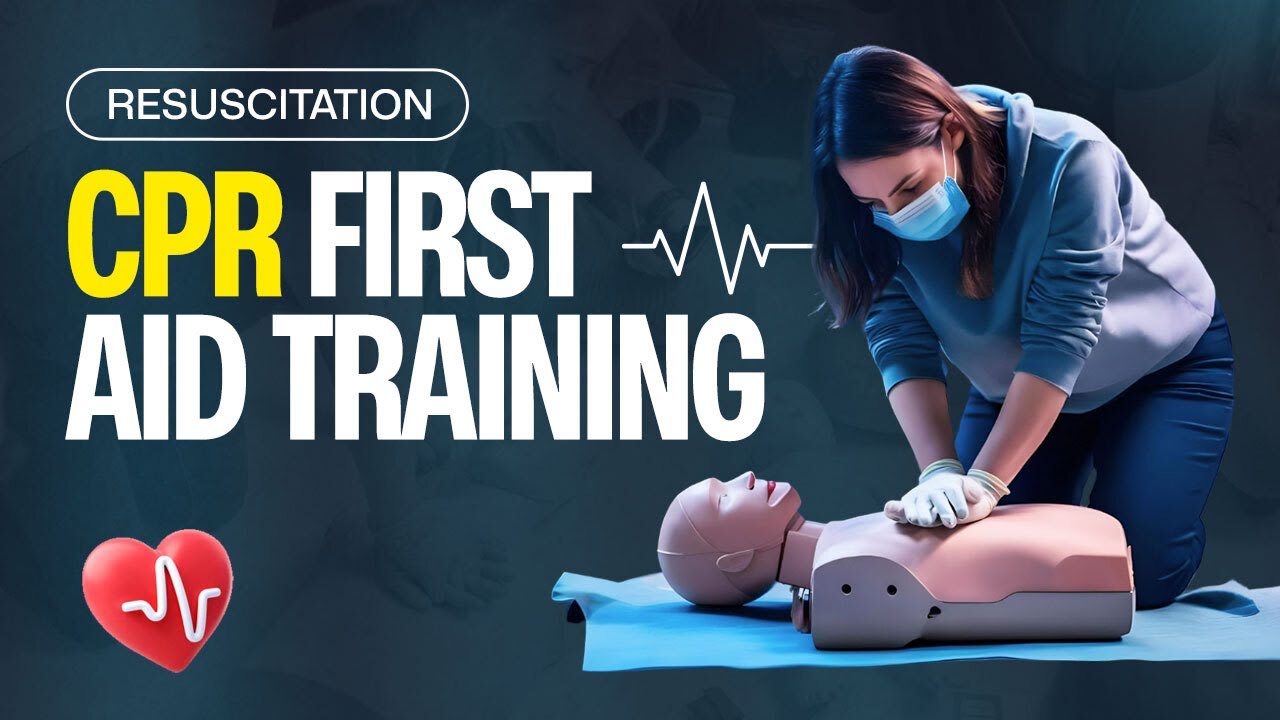
CPR is one of the most physical item of a Maitland emergency treatment training course. Strategy breaks down under tension and tiredness. Individuals lean, secure their elbow joints wrong, or compress too shallowly once they tire. That is fixable, and small courses fix it faster.
We usage responses manikins that show depth and rate, then train you to strike 100 to 120 compressions per min with full recoil. A metronome or music track assists. We talk about hand adjustments every 2 mins and swap rescuers at the AED rhythm. We simulate an unpleasant atmosphere - crushed rock, damp turf, a confined lounge room - and speak through padding under knees, moving furnishings, and staying clear throughout shocks. By the end of a solid cpr program Maitland students can deliver two mins that would certainly make a paramedic nod. That is the bar worth aiming for.
If you are returning for a cpr refresher course Maitland suppliers frequently condense the concept and invest the majority of the time on drills and updates: adjustments to compression-to-ventilation proportions for babies, brand-new advice on agonal breathing recognition, improvements to AED pad positioning for kids. Anticipate less talking and more sweating. The whole point of refreshers is to dust off rust and lock in recency.
First help for children and infants: where detail matters
Parents, instructors, and coaches commonly arrive distressed about infant mouth-to-mouth resuscitation. The maneuvers are different, and the stakes really feel higher. Excellent first aid and mouth-to-mouth resuscitation Maitland courses clear that fear by putting child manikins in your hands early and frequently, showing two-finger compressions, gentle head tilt, and gauged puffs. We exercise choking relief with back blows and chest thrusts, discuss formula desire versus plaything blockage, and cover common health problems like croup and febrile seizures. Detail issues: how to count compressions without rushing, how to identify tiredness in a youngster after a rescue, when to call an ambulance right away.
Small teams aid right here greater than anywhere. Trainers can enjoy your technique up close and readjust angles a few millimetres. That is the difference between doing it technically correctly and doing it with true control.
What to anticipate from assessment, without surprises
Assessment in a Maitland first aid training session ought to feel like an extension of technique, not a catch. Commonly you complete a knowledge component, which could be an on the internet quiz or a brief in-person check, adhered to by practical demos. The best instructors frame this openly from the start: what will certainly be analyzed, exactly how to pass, where to get even more technique if you are not ready yet.
In tiny cohorts, analysis can be paced kindly. If you need an additional go for the AED drill, there is time. If asthma monitoring actions obscure in your head, we walk it once again with sugar pill inhalers and spacers till the series is clean. Nobody ought to leave guessing whether they satisfied the standard.
Facilities, tools, and the peaceful information that matter
You can tell a great deal regarding a supplier when you walk right into the area. Are the manikins clean and functioning, with lungs changed lately? Exist sufficient units that learners are not sharing one between four? Do trainers bring multiple bandage kinds for snake bite technique, not simply a solitary crepe roll? In Maitland, places range from neighborhood halls to committed training rooms. A good setup includes AED fitness instructors that mirror typical local designs, obstacles and handwear covers in every package, and visible waste containers for made use of wipes. The little things signal care.
Ask regarding the trainer-to-learner ratio. In a high quality Maitland emergency treatment course, a single instructor can pleasantly handle eight to twelve students for hands-on sessions. If numbers slip higher, a 2nd fitness instructor or assistant maintains the standard.
Choosing the right training course for your goal
Not all emergency treatment courses Maitland deals equal. Some emphasis directly on work environment conformity, others lean even more towards family-focused scenarios. If you trainer area sporting activity, seek extra interest on sprains, cracks, dental injuries, and blast. If you work in education and learning or disability support, ask about anaphylaxis and asthma management deepness, and whether the course consists of role-play with real devices like EpiPens and spacers.
For professions and area job, focus on hemorrhaging control, crush injuries, eye irrigation, and remote feedback preparation. If your work consists of threat of opioid direct exposure - rare yet not unusual in some setups - ask whether naloxone recognition is gone over. The appropriate Maitland first aid training course values the truths of your day, not just the textbook outline.
The case for a regional trainer
National content has to be consistent, but regional instructors add structure you do not obtain elsewhere. They understand where rescues phase, average response times, and what triple zero call-takers will ask. They can speak with guiding an ambulance to a hard-to-find country driveway, managing a casualty on a high verge, or keeping onlookers valuable instead of crowding. I have listened to trainers offer detailed support on exactly how to recruit help in a supermarket aisle: factor, name the person in the blue shirt, appoint the call, designate the AED retrieval, assign group control. That uniqueness sticks.
Providers like First Aid Pro Maitland and other well established groups have a tendency to employ fitness instructors with field backgrounds, from paramedics to skilled first responders. When they share actual instances, anonymised and respectful, you get the type of edge-case judgment that does not fit nicely on a slide.
Blended discovering, without the shortcuts
Blended shipment can be outstanding when it keeps theory in the house and preserves hands-on time in class. Checking out shock physiology online works fine. Practicing shock positioning, heating, and reassurance does not. If a first aid training Maitland supplier uses a four-hour combined style, ask how much of that is drills. A healthy balance really feels vigorous but calm. You intend to arrive having gotten rid of the understanding checks to make sure that classroom time ends up being a circuit of scenarios and skill stations.
A strong blended path often resembles this: a couple of hours of self-paced concept, then a half day in course with turning terminals covering DRSABCD, CPR across age, AED, choking feedback, hemorrhaging control consisting of tourniquets and haemostatic dressings if offered, burns, cracks and strains, medical emergencies like stroke and cardiac arrest acknowledgment, and environmental problems like warm disease. When that arc is valued, combined learning is a win.
Retention: what sticks months later
People stress over neglecting. They should. Skills decay is actual. The very best inoculation is overlearning during your Maitland emergency treatment course incorporated with a basic upkeep habit: review the core steps monthly. That can be a five-minute mental run-through of DRSABCD while you make coffee, a quick scan of your emergency treatment set to advise on your own where gloves live, or a two-minute compression drill on a cushion to refresh muscle mass memory. It appears small, yet it helps.
Refreshers exist because of this. An annual mouth-to-mouth resuscitation check-in maintains the physical skill fresh. Rolling a full Offer Emergency treatment program every 3 years resets you on procedures that change gradually. When you come back, the material will feel familiar in the right way, and the modifications will certainly be small.
What profundity looks like on a real Maitland day
Picture this: Saturday football at Lorn. A gamer collides mid-air and decreases, not moving. You reach him first. A strong emergency treatment and cpr training course Maitland experience has actually drilled three routines into you. First, scene check and bystander control, then tap, yell, and try to find breathing that is normal, not just any kind of upper body activity. Second, if breathing is absent or agonal, begin compressions and instruct somebody plainly to order the club's AED from the clubhouse. Third, keep matter and swap rescuers when you tire, placing pads as soon as they arrive, clearing for shock promptly.

Nothing fancy there. The distinction is tempo and certainty. You are not thinking whether to roll him or whether those gasps are typical. You do not hover waiting on a certified stranger. You relocate. That is why small courses issue: you have actually executed that precise series sufficient times that your hands recognize before your mind totally catches up.

Change the domain name to a backyard shed from tipping warm oil or a passing out consumer on a warm mid-day at Rutherford. The rhythm remains: safety, reaction, telephone call, treatment. When the steps are basic and baked in, you can spare interest for the human side - holding a hand, talking comfortably, asking the appropriate inquiries for the rescue, maintaining children off the beaten track. Those soft pieces usually decide exactly how the scene really feels, and they are simpler when you are qualified with the hard skills.
What to bring, what to put on, just how to prepare
Pack light. Wear comfy clothes you can kneel in, because you will certainly be on the flooring for CPR. If you have knee problems, bring a little pad or ask the fitness instructor for one. Connect back lengthy hair, trim jewellery that could catch on plasters, and bring a canteen. Total any pre-course analysis truthfully; it reduces explanations and maintains technique concentrated. If English is a second language, do not be reluctant concerning informing your trainer. Good instructors pace their words and can show more than they inform. If you have a shoulder or wrist injury, flag it. There are methods to demonstrate method safely while still satisfying assessment.
If you are renewing your emergency treatment certificate Maitland workplaces might accept your prior learning evidence for some elements, however anticipate to reveal complete skills in CPR and time-critical skills. Prepare to sweat a little. It is a great sign.
Why tiny classes maintain paying dividends
When you leave a small-group training course, you bring greater than a purse card. You bring a memory of doing it right, begin to end up, with a fitness instructor enjoying and leading till the pieces clicked. Weeks later, standing over a coworker who has simply slipped on a damp flooring, that memory comes to be action. You will certainly measure the scene, recruit assistance by name, and begin the series. If a bystander second-guesses you, you will keep going because your hands bear in mind. That self-confidence does not come from reading alone. It originates from technique knotted with responses. Which is exactly what little class dimensions acquire you.
Getting began in Maitland
Maitland has a healthy and balanced mix of service providers and timetables. If you require a weekday training course near the CBD, if you want a Saturday slot prior to the mid-day sport run, or if your group needs onsite training at a workshop south of town, there are firstaidpro.com.au alternatives. Choose instructors that cover numbers, promote a lot of hands-on time, and devote to practical scenarios. If you see a course description that checks out like a lecture, maintain looking.
For a first aid course Maitland locals can rely on, ask a few easy questions prior to you book: How huge is the course? Just how much time is on the manikins? Do you cover local scenarios like heat ailment and serpent bite? What model of AED do you educate with? How commonly do students cycle with each ability? Clear, sensible answers recommend you have actually discovered the ideal fit.
When you do, reserve the day and lean in. The results have a tendency to be large, even when the area is small.